Holy Week 2026
🌿 Journey with Christ this Holy Week 🌿
As we enter the holiest days of the year, let’s walk together with Jesus ,from His humble entry into Jerusalem to His glorious Resurrection.
We’ve prepared a simple online guide to help you reflect and pray each day of Holy Week.
Take some quiet moments to read, pray, and rediscover God’s love made real for us.
May this week draw us closer to Christ and to one another in faith and love. 💜
“Stay with us, Lord, as we walk your way.”
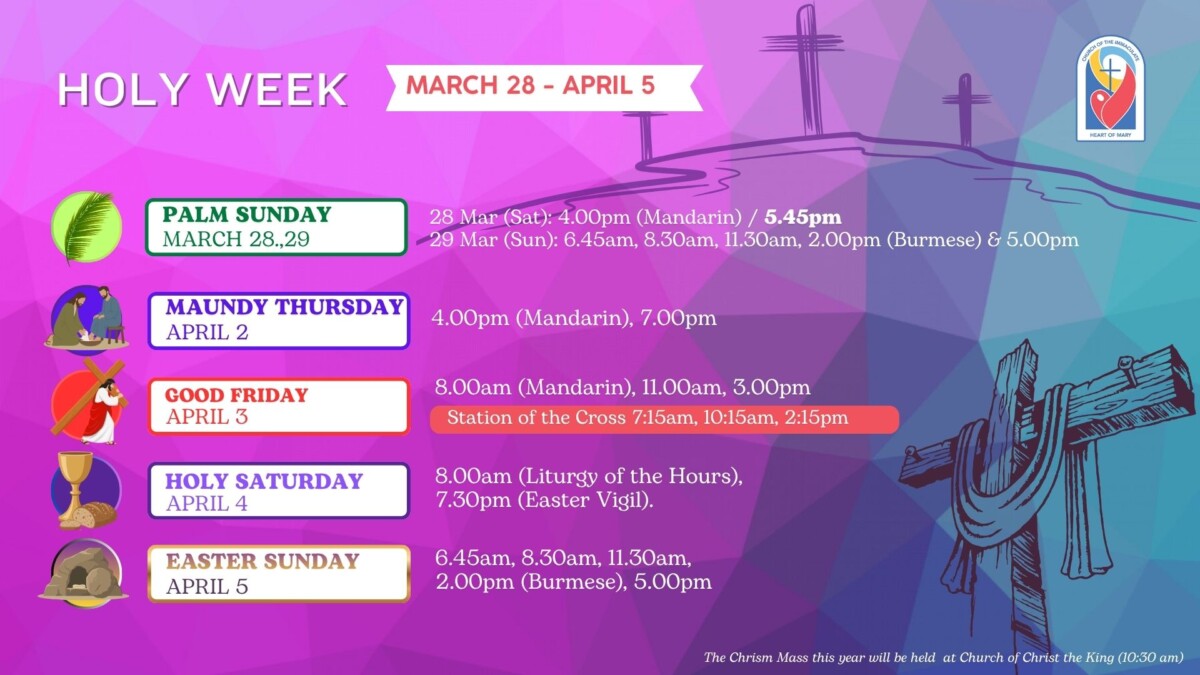
Click to view the full image.
PALM SUNDAY
THE TRIUMPHAL ENTRANCE
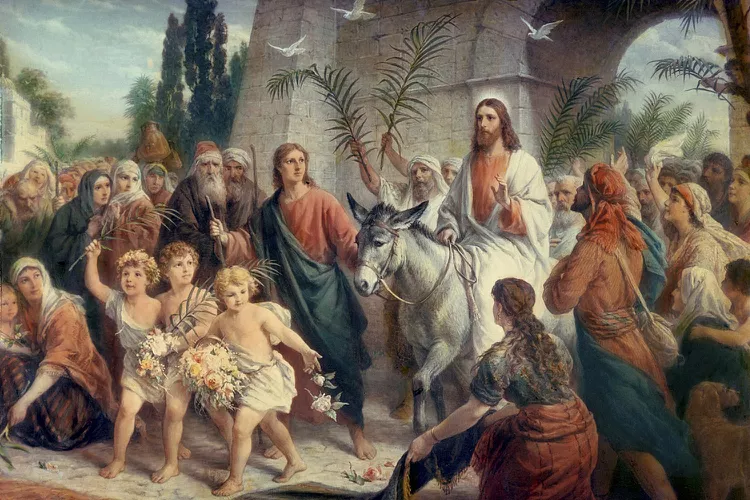
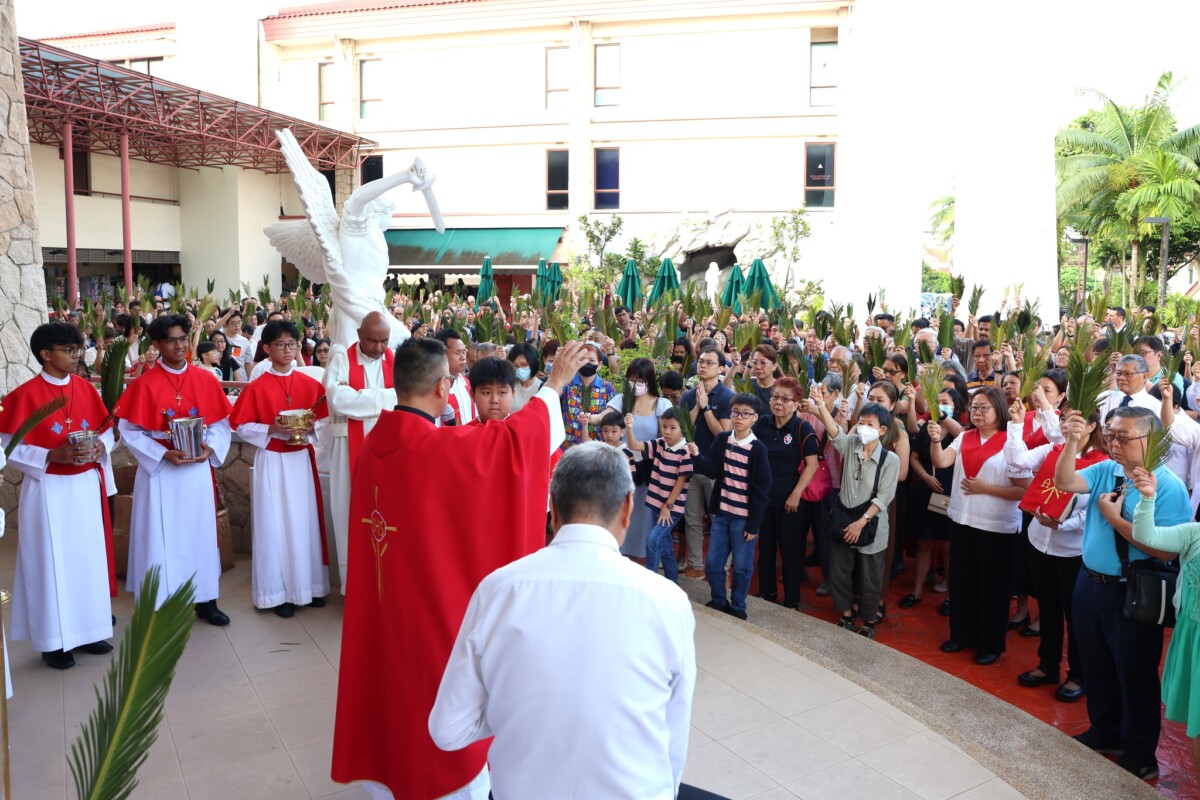
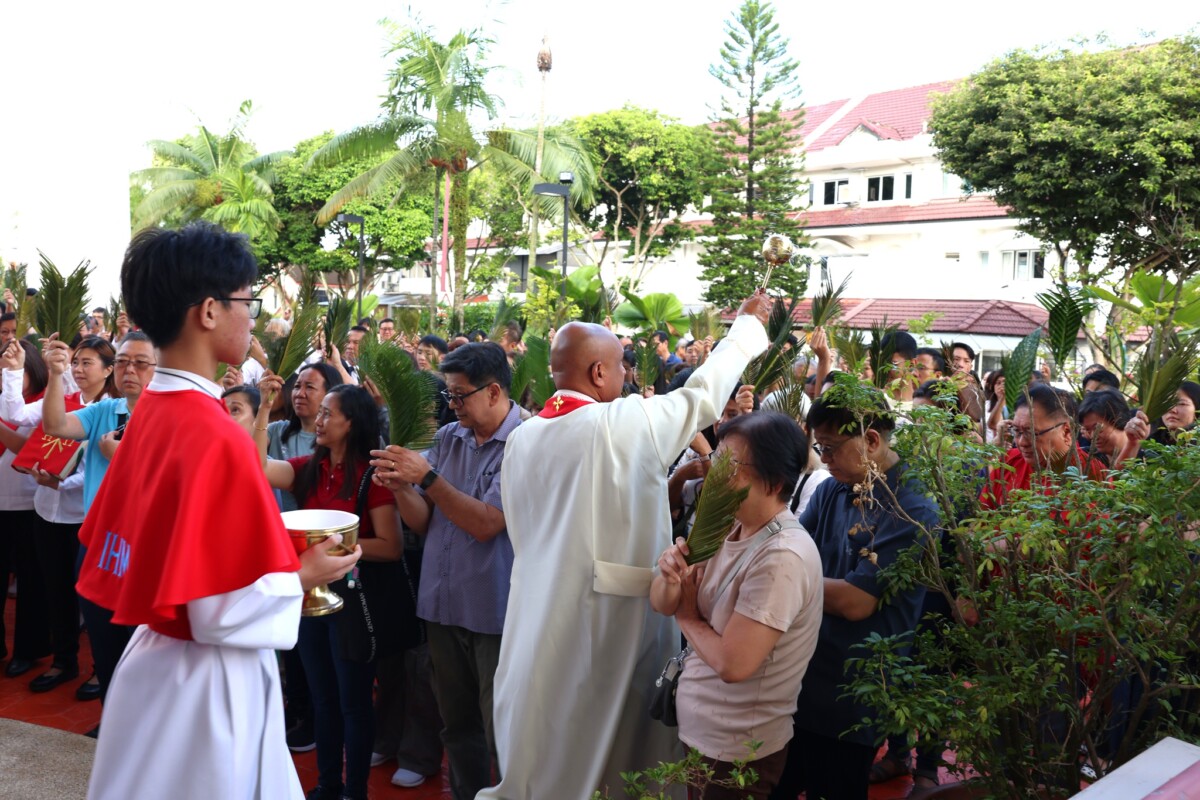
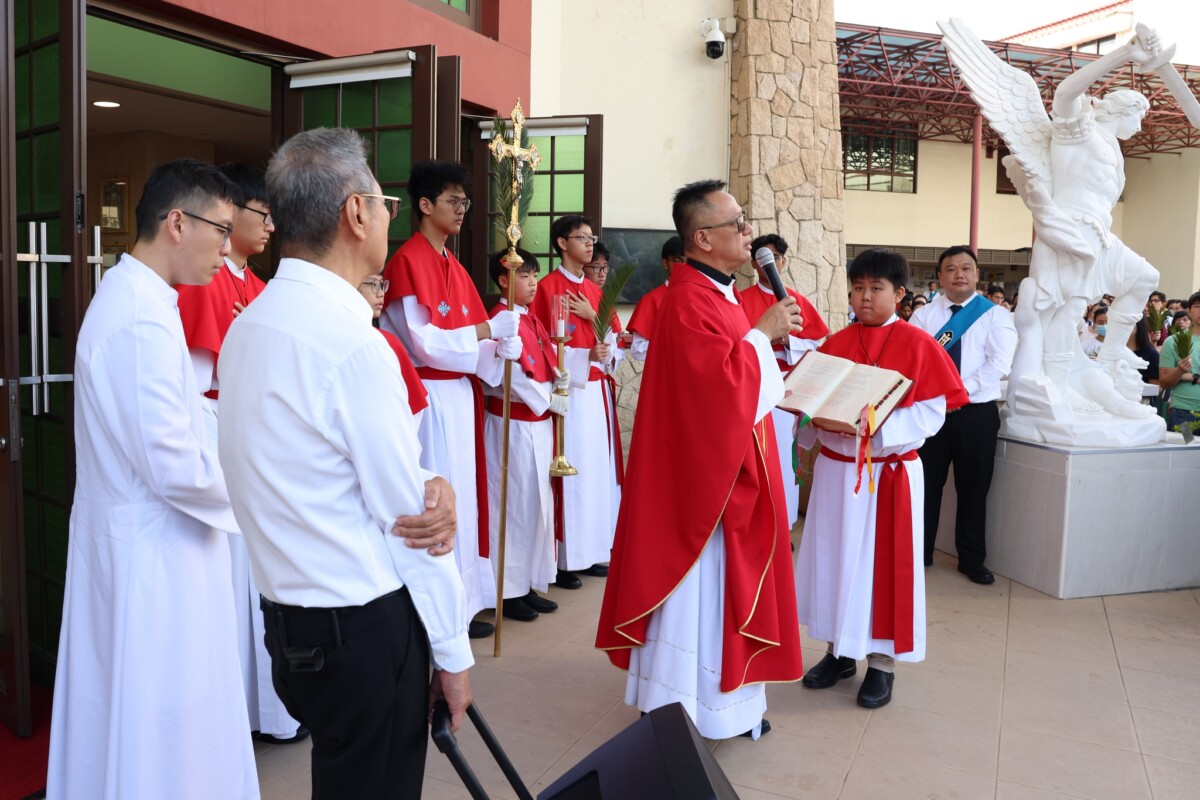
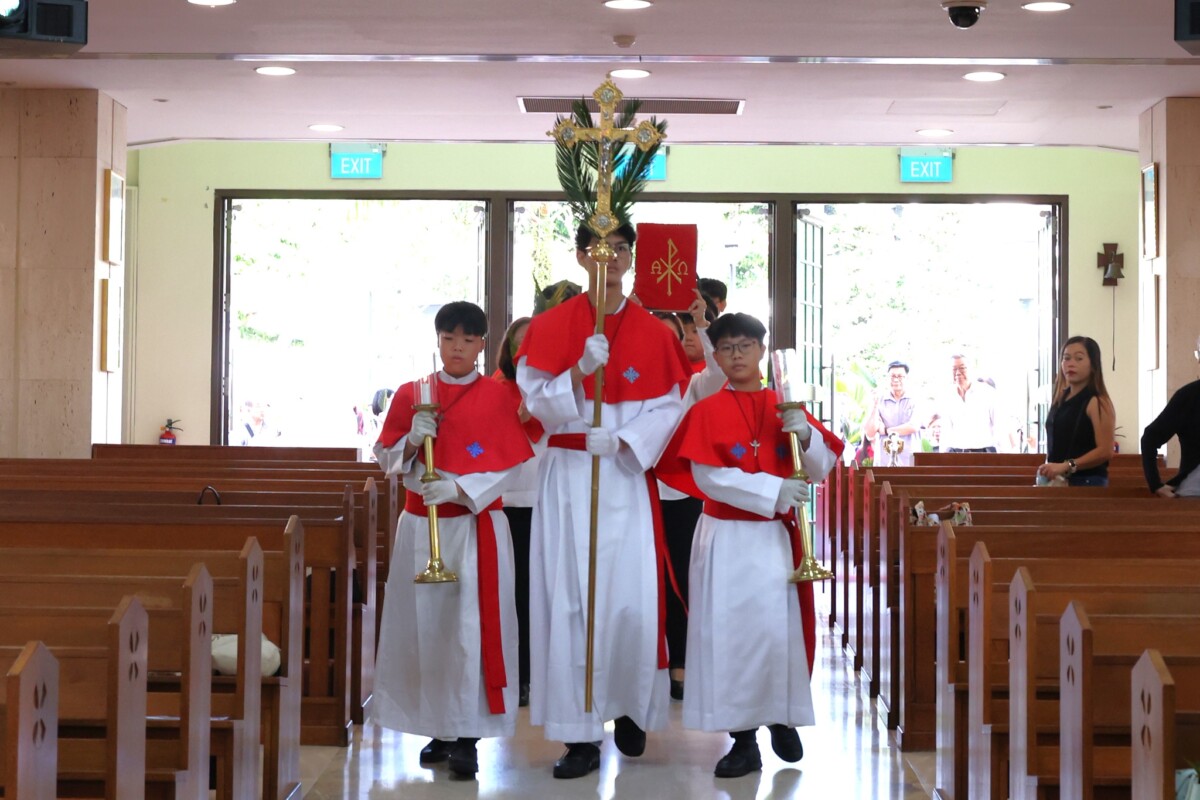
Holy Week begins on Passion (Palm) Sunday, which joins the foretelling of Christ’s regal triumph and the proclamation of His Passion. The commemoration of the entrance of the Lord into Jerusalem has, according to ancient custom, been celebrated with a solemn procession in which the faithful, in song and gesture, imitate the Hebrew children who went to meet the Lord singing “Hosanna.”
The palms are blessed so that they can be carried in the procession. They should be taken home, where they will serve as a reminder of the victory of Christ.
The Passion of the Lord is then proclaimed in its entirety. It is meant to be heard in full. Both aspects of this day, triumph and suffering, belong together. They reveal the heart of the Paschal Mystery.
This joyful procession is also the fulfilment of ancient prophecy. Long before, the prophet Zechariah spoke to a weary people: “Rejoice greatly, O daughter Zion! Shout aloud, O daughter Jerusalem! Lo, your king comes to you; triumphant and victorious is he, humble and riding on a donkey, on a colt, the foal of a donkey” (Zechariah 9:9).
In the Lord’s entry into Jerusalem, the Church recognizes this promise brought to completion: the true King arrives, not with worldly power, but in meekness and peace, seated upon a lowly beast of burden.
Thus, as the faithful carry palms and sing “Hosanna,” they stand in continuity with Israel’s ancient hope. What Zechariah proclaimed in figure, the Church now celebrates in sacrament and memory: Christ the King, humble yet victorious, enters His Holy City to accomplish our redemption.
Welcome Christ not only in moments of joy, but also along the path of the Cross.
Matthew 21:1–11; Isaiah 50:4–7; Philippians 2:6–11; Matthew 26:14–27:66
- Fulfilment of Prophecy: Zechariah 9:9
- Place blessed palms near your prayer space, and pray for steadfast faith through trials.
- If you do not want to keep your branch, you can return it to the church where it will be burned for ashes the following Ash Wednesday!
HOLY MONDAY
Love Poured Out at Bethany
MARCH 30
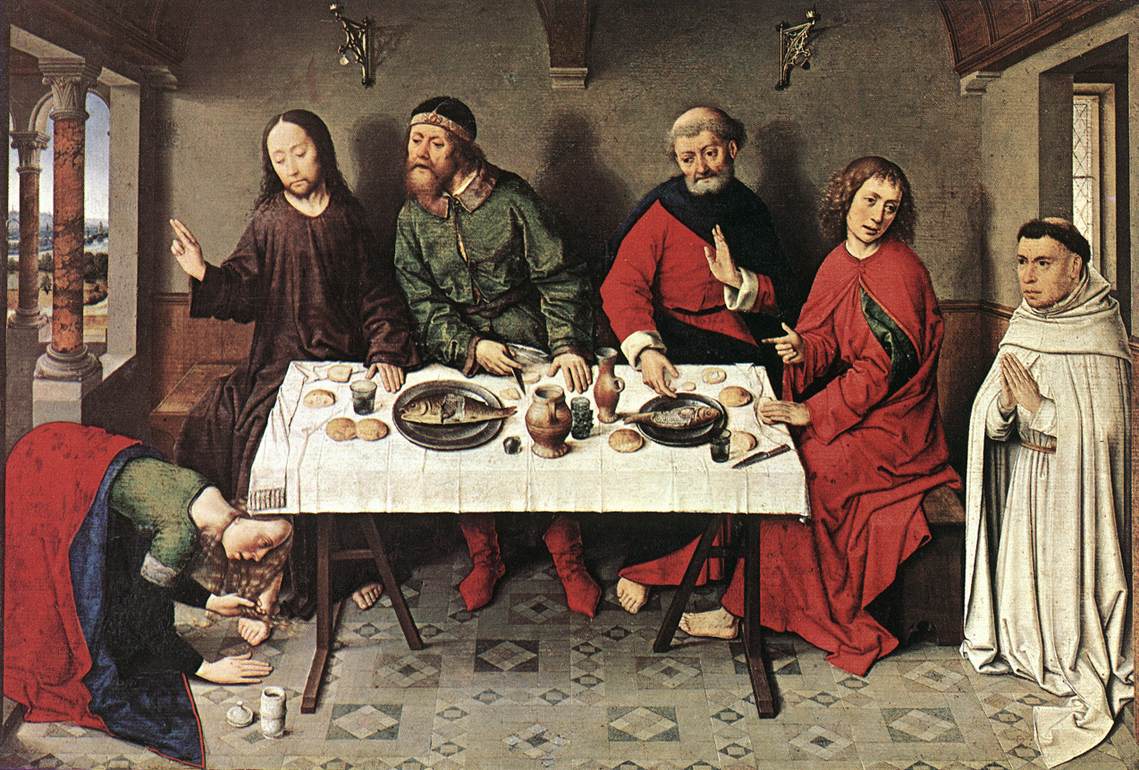
On Monday of Holy Week, the Church recalls the anointing at Bethany, when Mary of Bethany (sister of Martha and Lazarus) takes costly perfume of pure nard and pours it upon the feet of Jesus, wiping them with her hair in a profound act of love and adoration (John 12:1–8).
In the midst of this tender scene, Judas Iscariot objects, calculating the value of the ointment and protesting that it might have been sold and given to the poor.
The Gospel reveals that his concern is not truly for the poor, but that he was a thief and used to help himself to what was put into the common purse. Thus, Mary and Judas stand in stark contrast: one pours out all she has in selfless devotion, while the other measures, withholds, and hides self‑interest beneath pious speech.
Jesus defends Mary, receiving her gesture as a preparation for His burial and a sign of the total gift He Himself will make upon the Cross. This day invites the faithful to examine their own hearts: do they resemble Mary’s generous, fragrant love, or Judas’s guarded, calculating spirit?
In the house at Bethany, the Lord shows that nothing poured out for Him in love is ever wasted; it becomes part of the offering that leads to salvation.
What precious offering can I make to Jesus today?
Isaiah 42:1–7; Psalm 27; John 12:1–1
- Engage in a simple act of self-giving, service, prayer, or kindness done quietly for God alone.
HOLY TUESDAY
Foretold Betrayal and Denial
MARCH 30
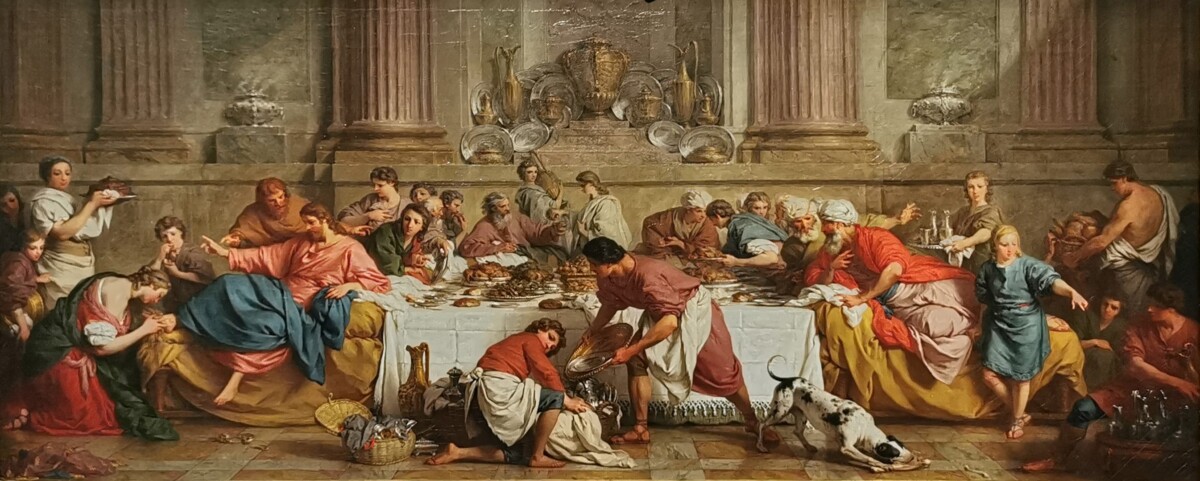
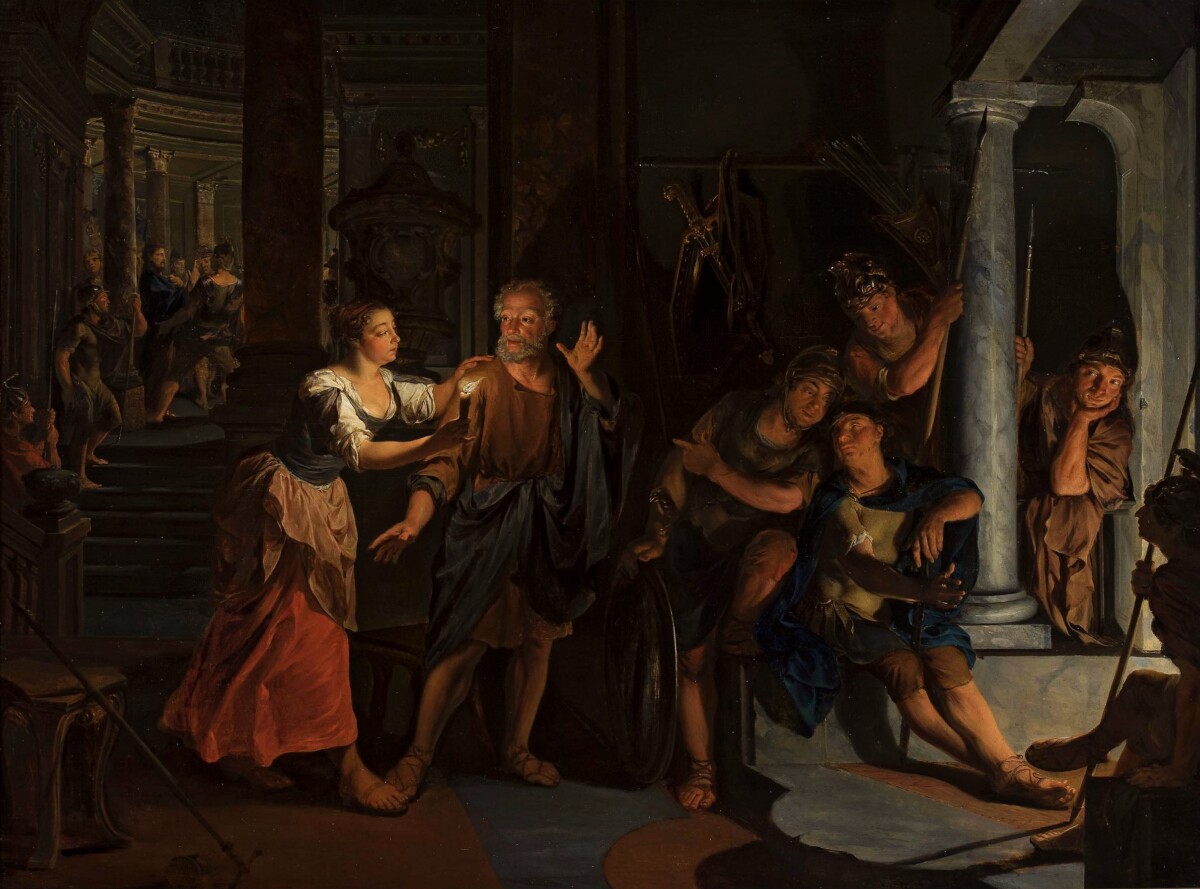
Jesus foresees His betrayal and Peter’s denial (John 13:21–33, 36–38). Despite being surrounded by disloyalty, He continues steadfastly in love. Nothing can deter Him from fulfilling the Father’s will.
This day invites us to honesty before God , to examine how we may have denied Him by words or actions, and to renew our trust in His mercy.
Do I trust in God’s mercy even when I fail Him?
Isaiah 49:1–6; Psalm 71; John 13:21–33, 36–38
- Receive the Sacrament of Reconciliation or spend time praying Psalm 51 in repentance.
SPY WEDNESDAY
The Secret Bargain of Judas
APRIL 2
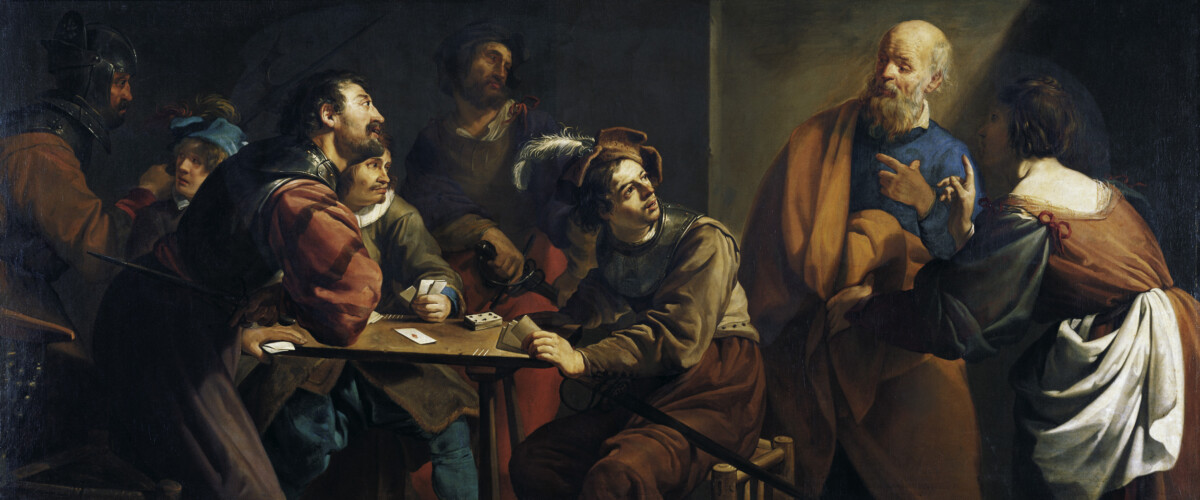
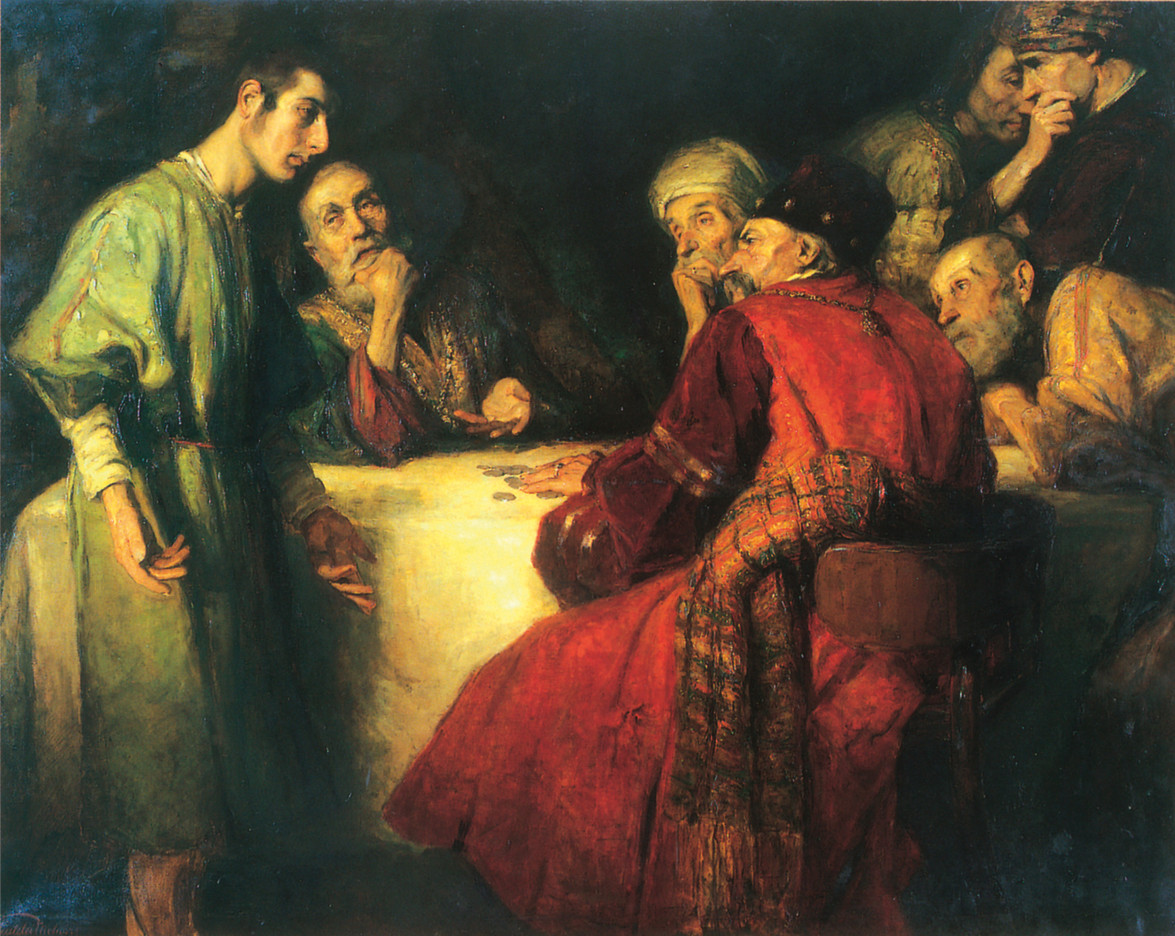
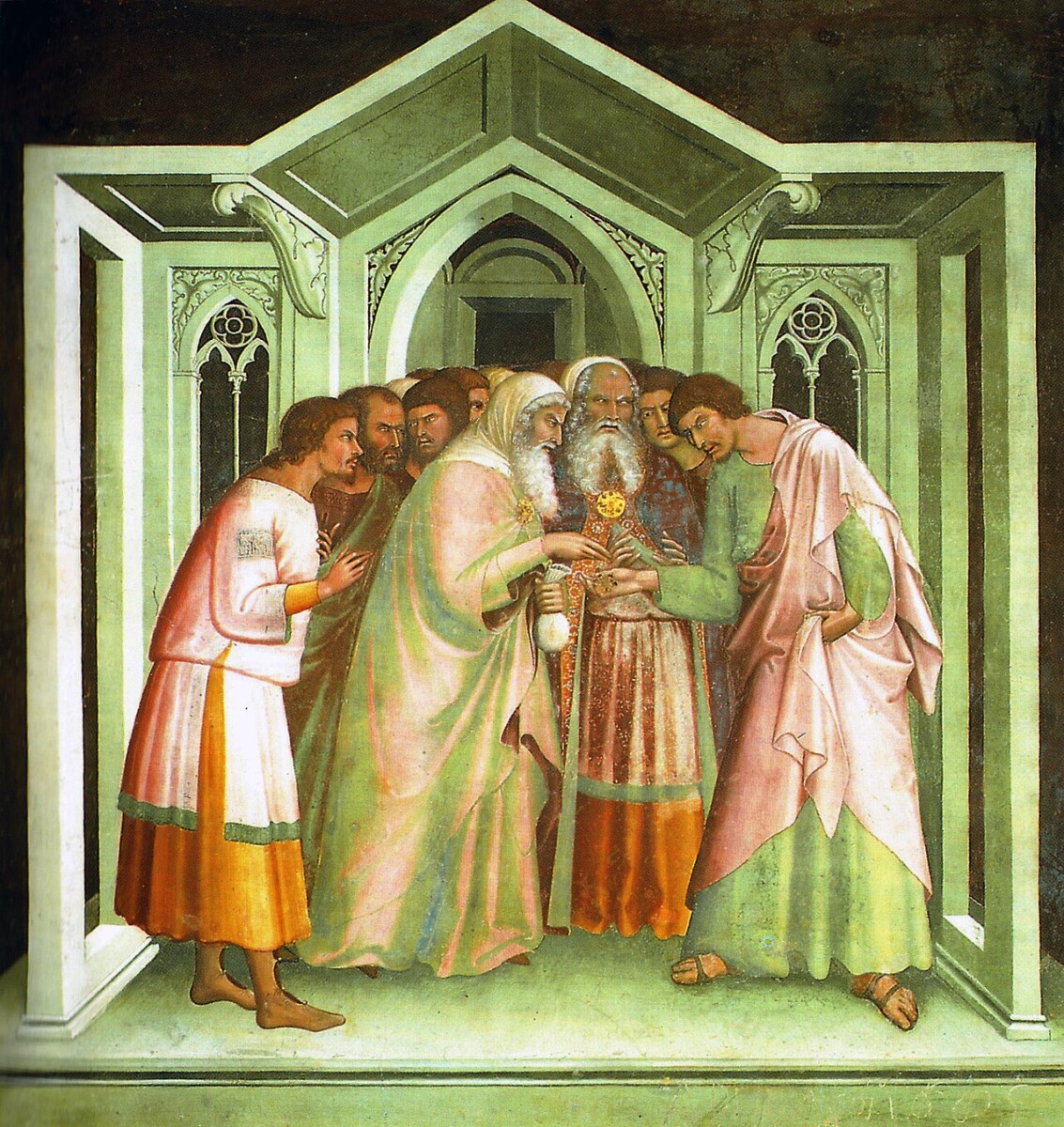
Spy Wednesday takes its name from the “spy” among the Twelve, Judas Iscariot, who secretly arranged the betrayal of his Master (Matthew 26:14–16; Mark 14:10–11; Luke 22:3–6).
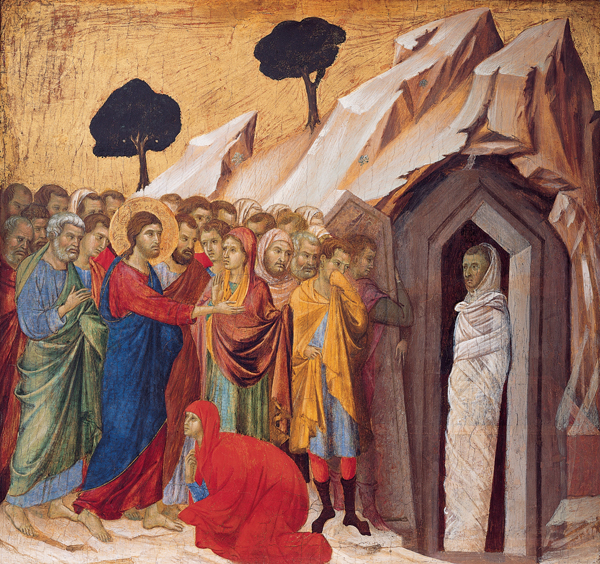
On this day, after two exhausting days of teaching and confrontation in Jerusalem, Jesus remains in Bethany with his disciples, resting in the village where he had already revealed his power over death by raising Lazarus (John 11:1–44), and where many came to believe in him as the Son of God (John 11:45; John 12:9–11).
In this same place, Judas quietly bargains for 30 pieces of silver, preparing to hand him over (Matthew 26:14–16).
Spy Wednesday invites us to stand in that tension and examine our own hearts: will we draw near to Jesus with faithful love like Mary, or drift into compromise and betrayal like Judas?
In the life of the Church, Spy Wednesday is often kept as a more sober day of preparation before the Triduum.
The faithful are encourage simpler meals and small acts of fasting or self-denial, offered in reparation and in union with Christ who is about to enter his Passion.
Confessions are frequently made more available so that the faithful can approach the Sacred Triduum with cleansed hearts, reconciled to God and to the Church.
In some places, there are special Holy Week penitential services, meditations on the Passion, or evening liturgies with extended readings from the betrayal and arrest of Jesus.
Families and individuals may pray the Sorrowful Mysteries of the Rosary, make the Stations of the Cross, or spend a longer time in silent adoration, keeping watch with the Lord who is “sorrowful, even to death” as the events of Gethsemane and Calvary draw near ( Matthew 26–27; Mark 14–15; Luke 22–23; John 18–19).
What parts of my heart are tempted to bargain away my faith?
Isaiah 50:4–9; Psalm 69; Matthew 26:14–25
- Fast or abstain from something that distracts you from Christ. Pray for conversion of heart
HOLY THURSDAY
MAUNDY THURSDAY
Institution of the Eucharist, Priesthood, Washing of Feet
The Supper of Love and Service
APRIL 2
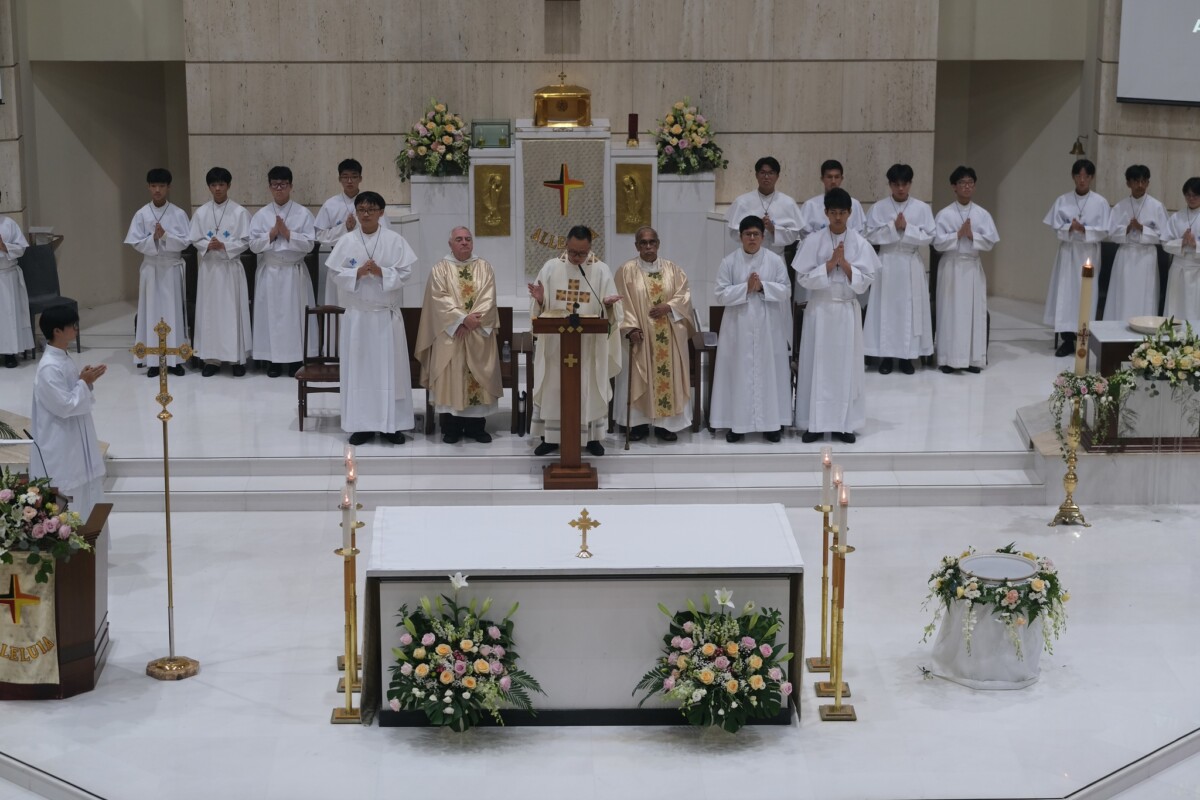
On Holy Thursday evening, the Church enters the Sacred Triduum with the Mass of the Lord’s Supper, the three holiest days of the year and the high point of the entire liturgical year.
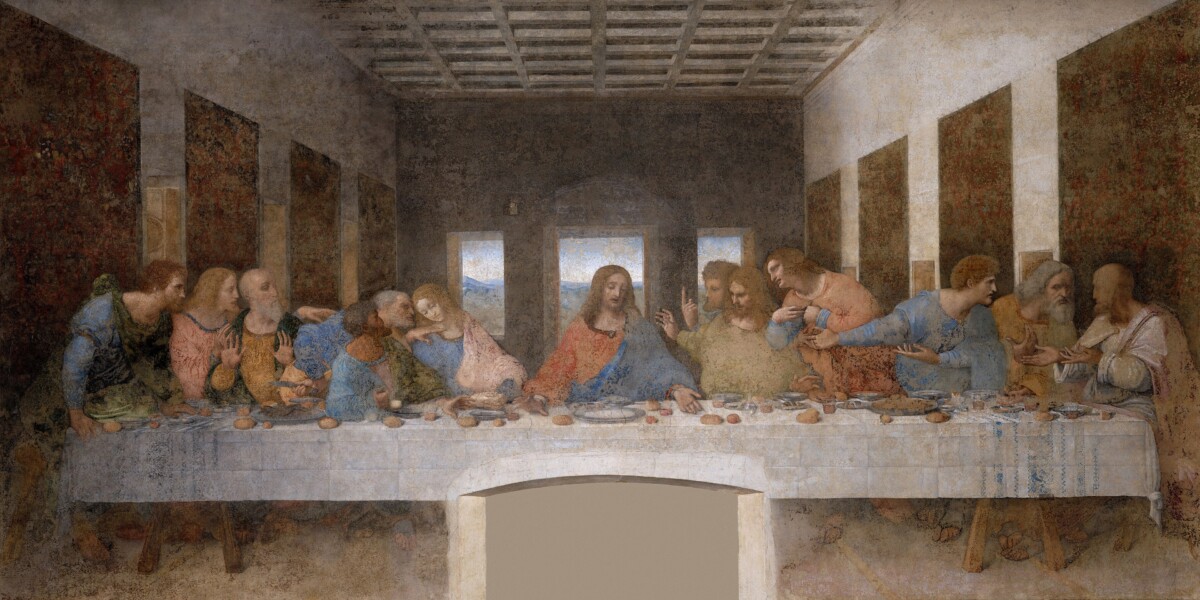
On this night, the Church recalls the Last Supper, when Christ instituted both the Eucharist and the ministerial priesthood: in the Upper Room, He takes bread and wine and declares them His Body and Blood, offered to the Father and given to the Apostles as spiritual nourishment, commanding them and their successors: “Do this in memory of me.”
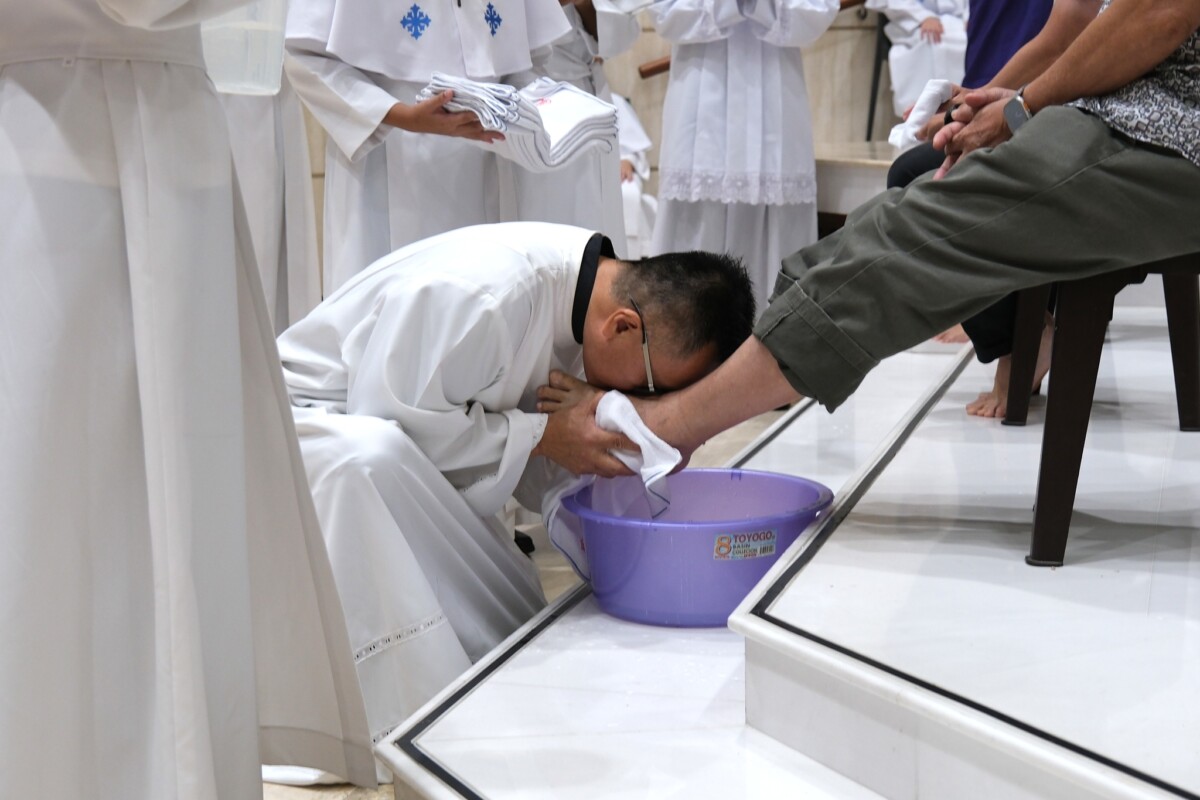
He then rises from table, lays aside His garments, and washes the feet of His disciples, joining sacrament and service in a single gesture of humble love, showing Himself as the One who came “not to be served, but to serve.”
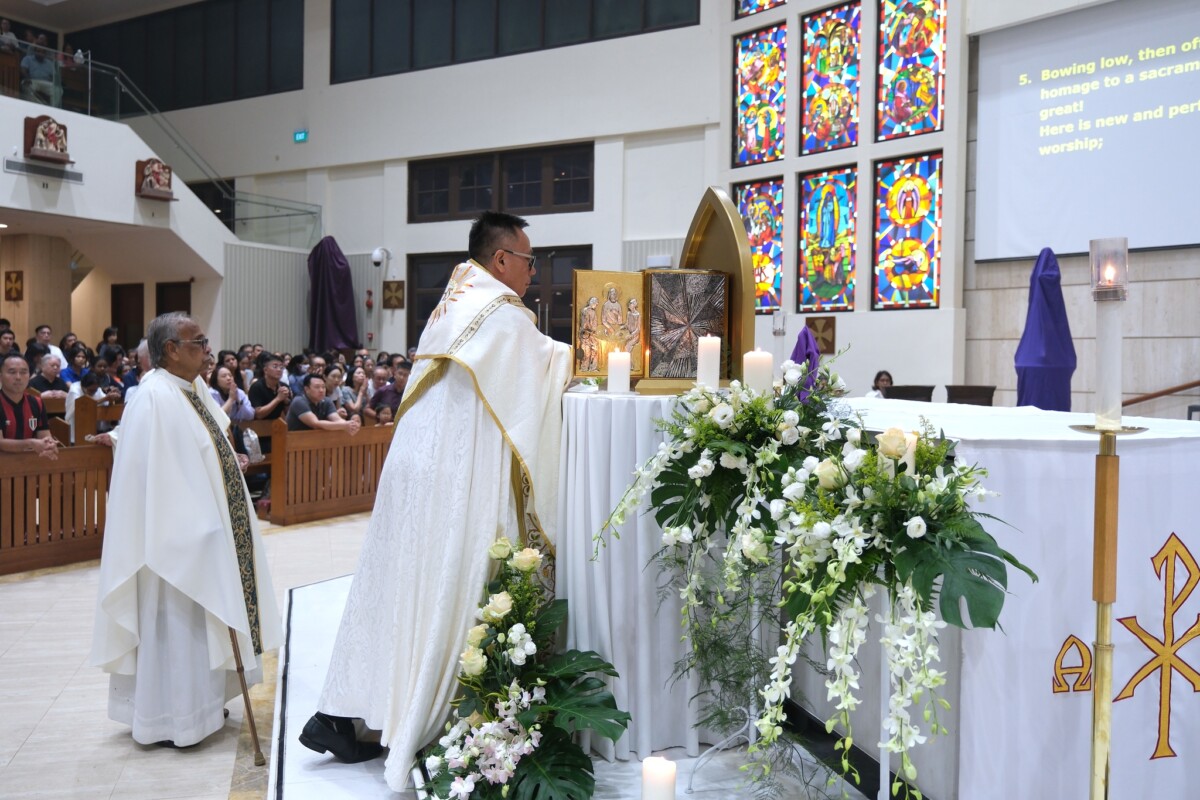
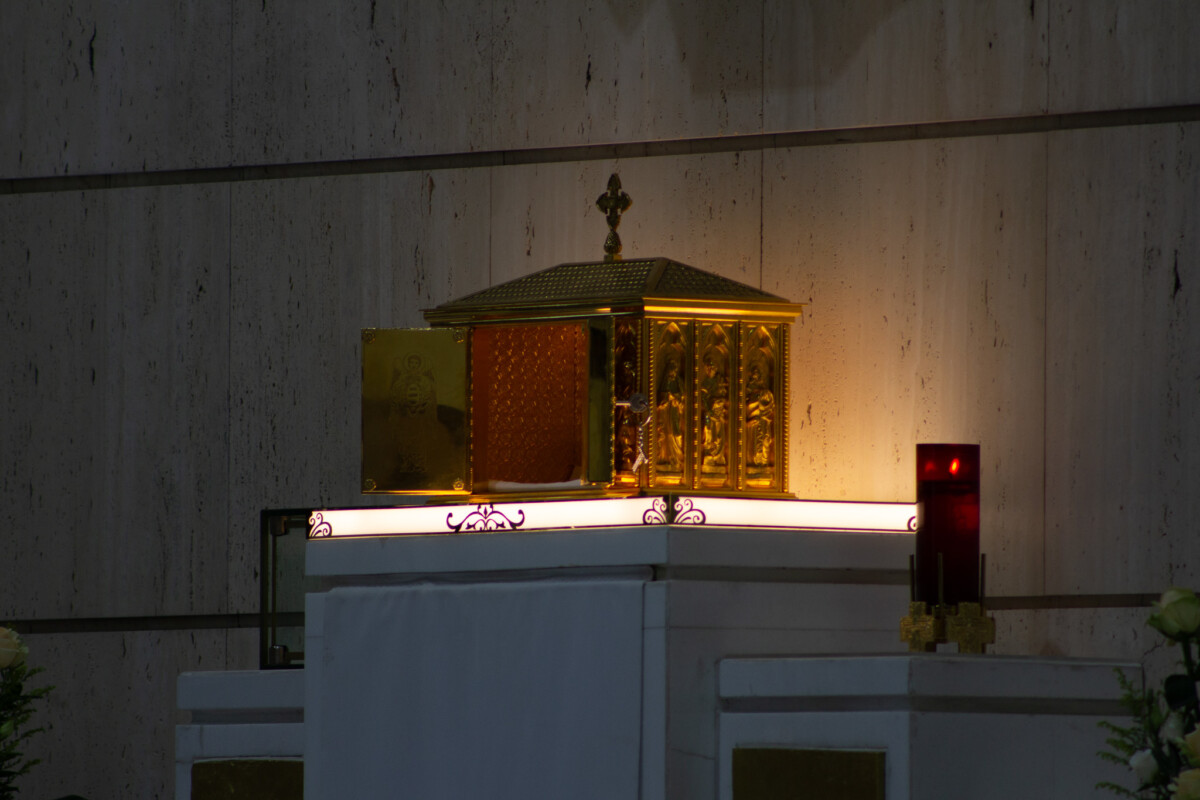
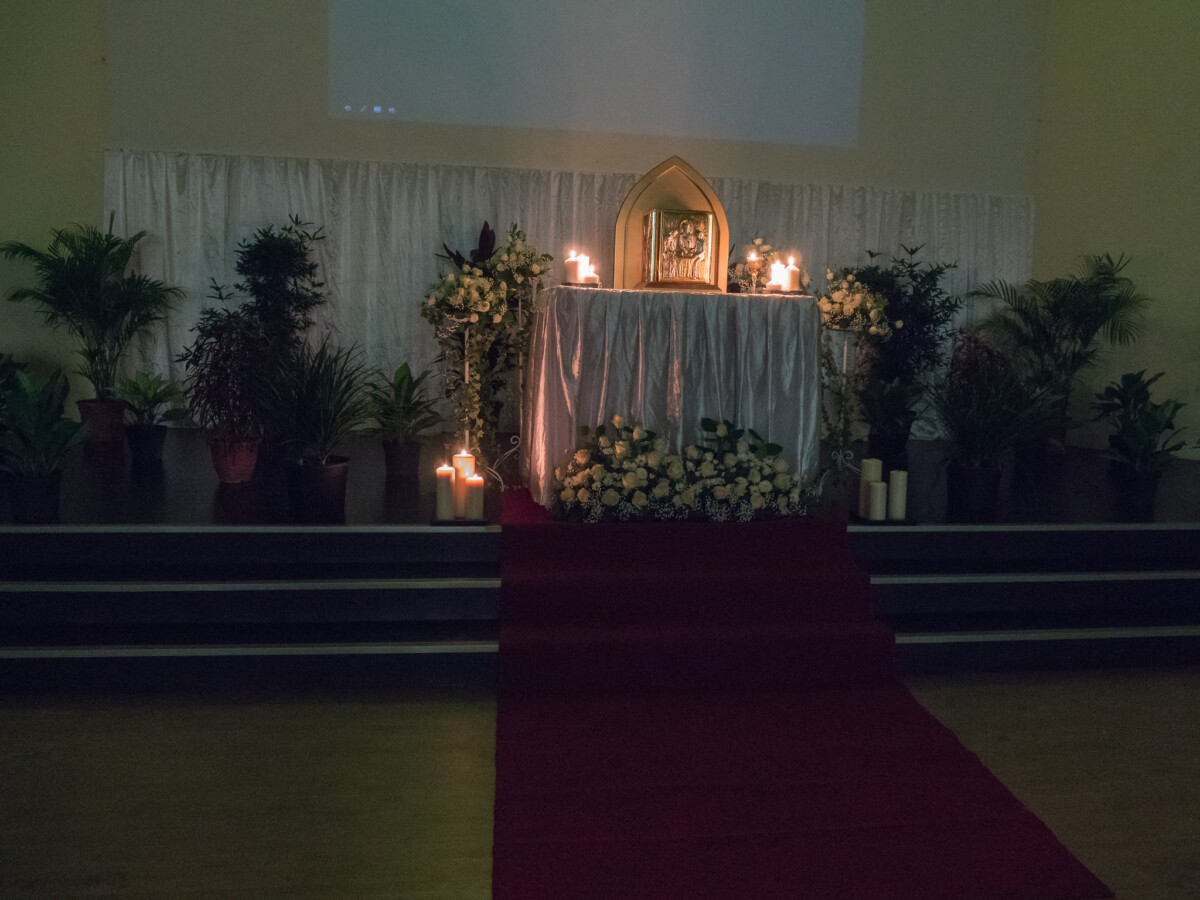
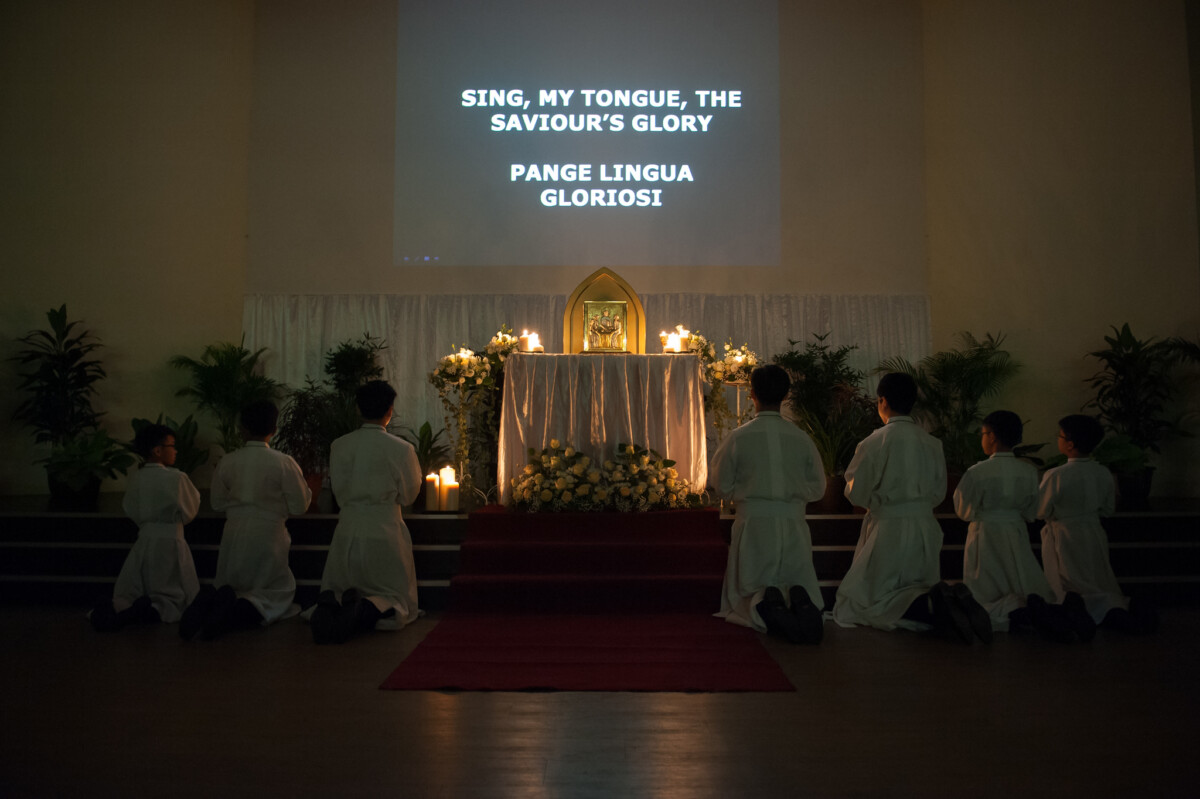
After Mass, the Blessed Sacrament is carried in procession to a place of repose, and the faithful are invited to remain in adoration, accompanying Jesus in His agony in Gethsemane, where He asks, “Could you not watch one hour with me?”
Spend time in silent prayer during the night, keeping watch with the Lord who begins His Passion.
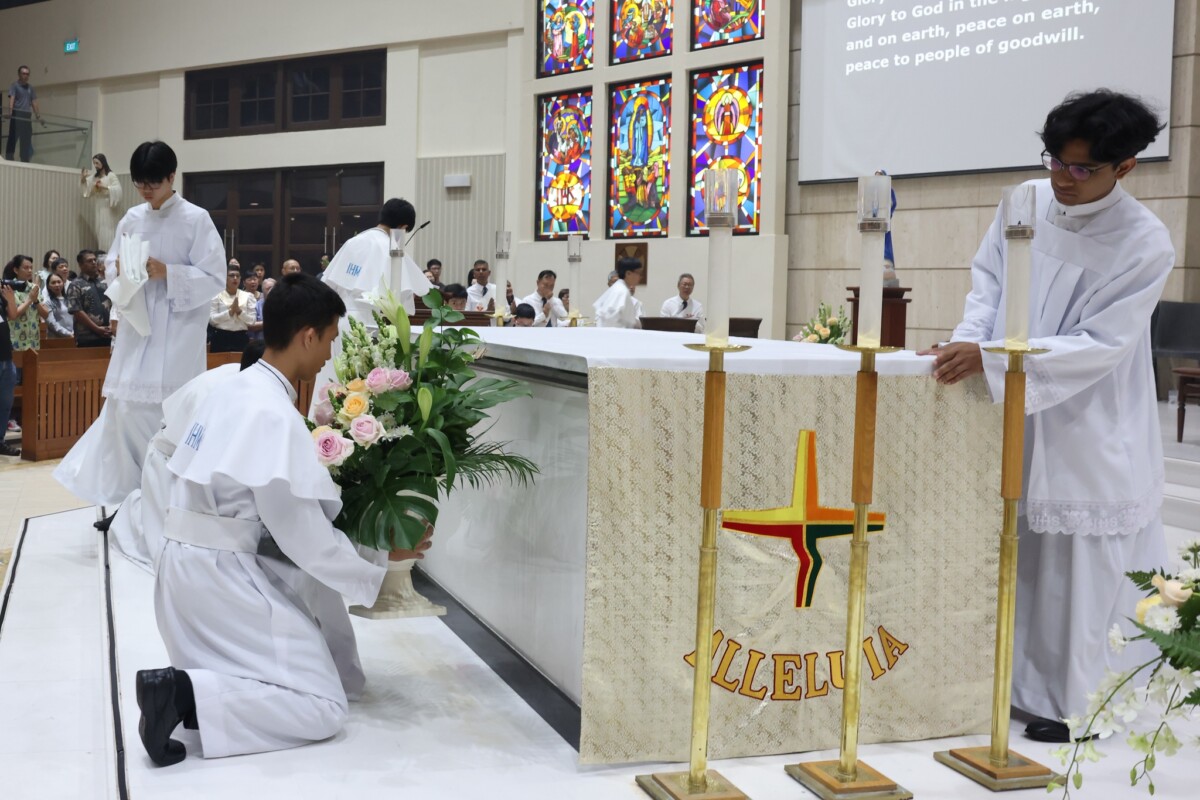
During the Gloria, the bells ring out in joy and then fall silent; they will not sound again until the Easter Vigil, marking the Church’s entrance into the great mystery of the Passion, Death, and Resurrection of Christ, and reminding us that the God who stoops to wash our feet remains with His people under the humble signs of bread and wine until the end of time.
How can I embody Christ’s humble love in service?
Exodus 12:1–8, 11–14; 1 Corinthians 11:23–26; John 13:1–15
- Participate in the Mass, pray in silent adoration, and perform a humble act of charity at home.
GOOD FRIDAY
THE PASSION AND CRUCIFIXION
The Cross, Tree of Our Salvation
APRIL 3
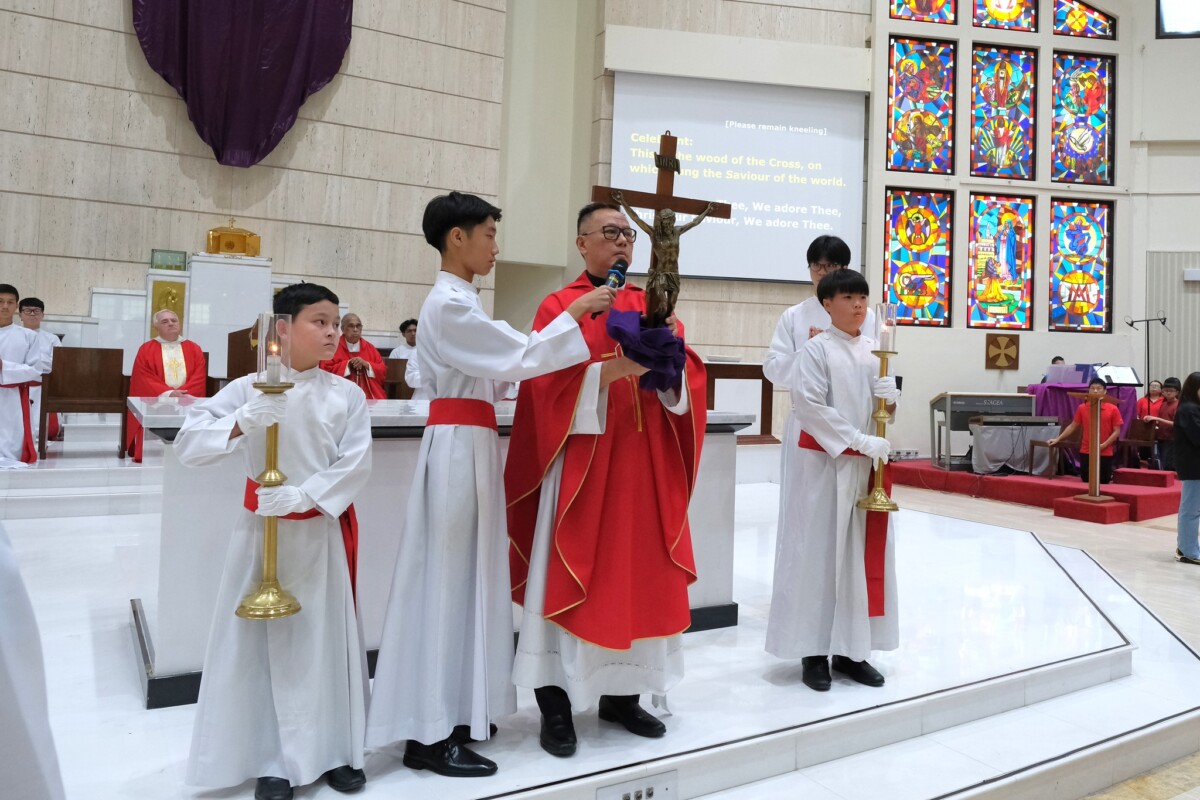
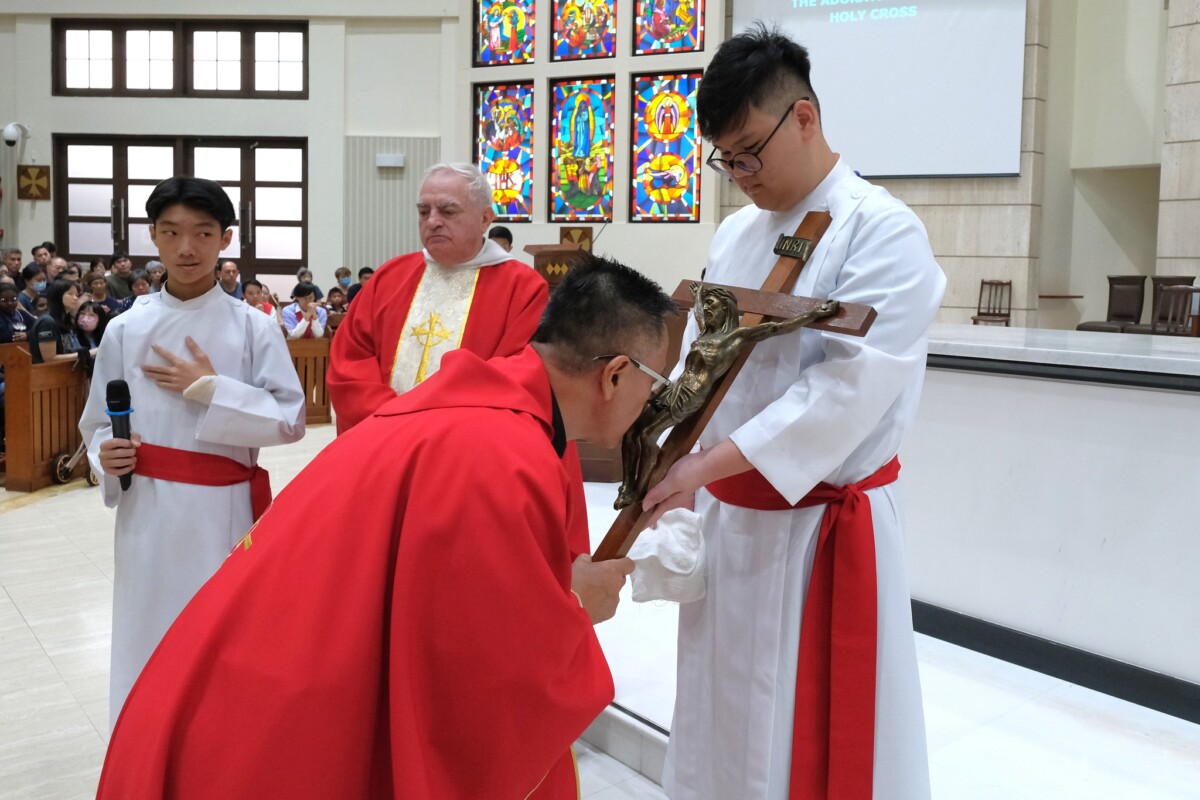
There is no Mass today. The Church meditates on the Passion of her Lord, venerates the Cross, and intercedes for the salvation of the whole world.
Good Friday is a day of fasting and abstinence for the whole Church. Catholics ages 18-59 fast, and all Catholics 14 and older abstain from meat.
Solemn intercessions are offered for the whole world, for the Church, for those who govern, for those in need signifying the universal reach of Christ’s Passion.
Gaze upon the Cross and ask: what does this love demand of me?
Isaiah 52:13–53:12; Psalm 31; Hebrews 4:14–16; 5:7–9; John 18:1–19:42
- Keep silence from noon to 3 p.m., attend the Passion service, and pray the Stations of the Cross devoutly.
HOLY SATURDAY
The Great Sabbath
Silence at the Tomb, Hope in Waiting
APRIL 4
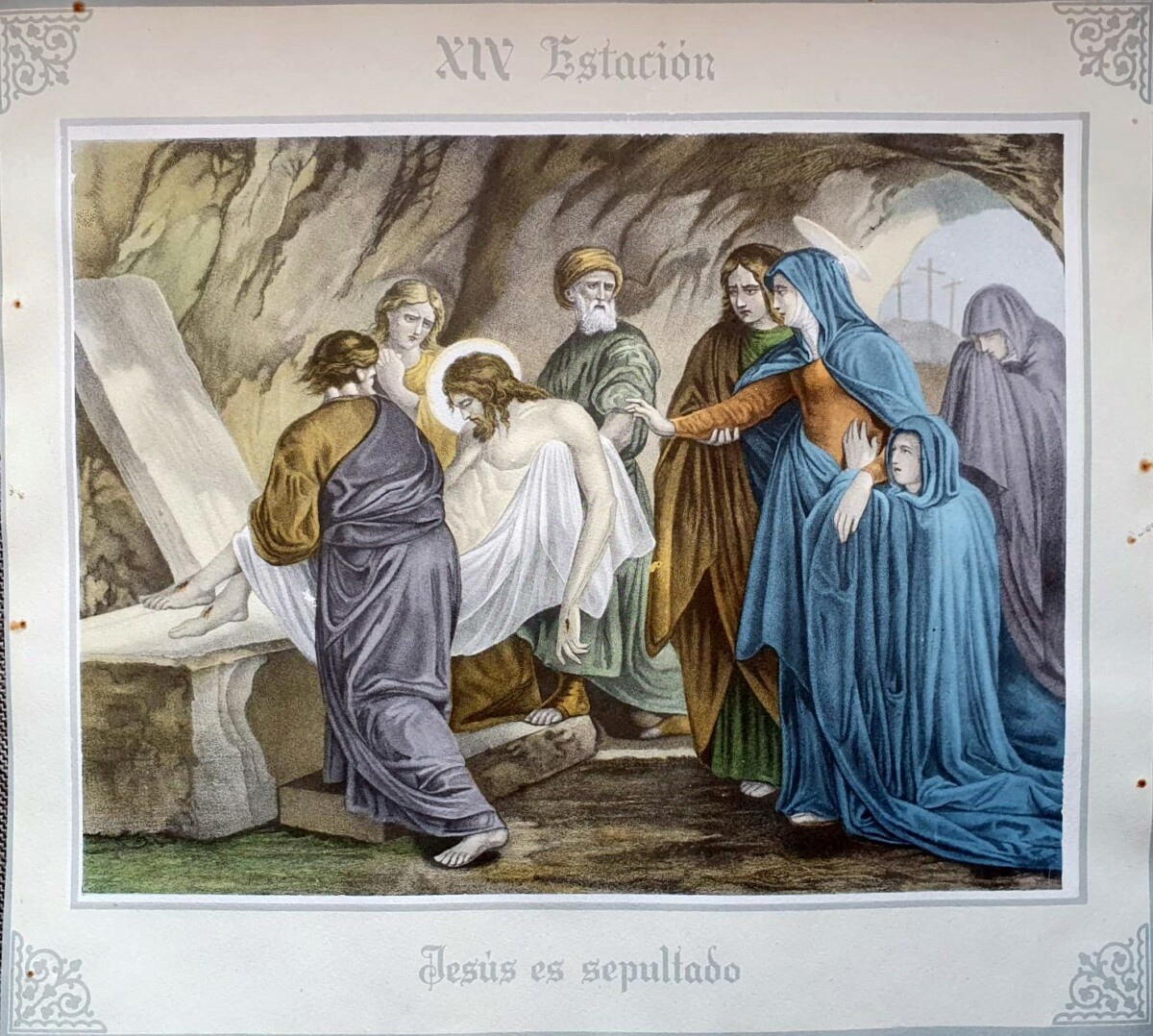
On this day, the Church is at the Lord’s tomb, meditating on His Passion and Death, on His descent among the dead, and awaiting His Resurrection with prayer and fasting.
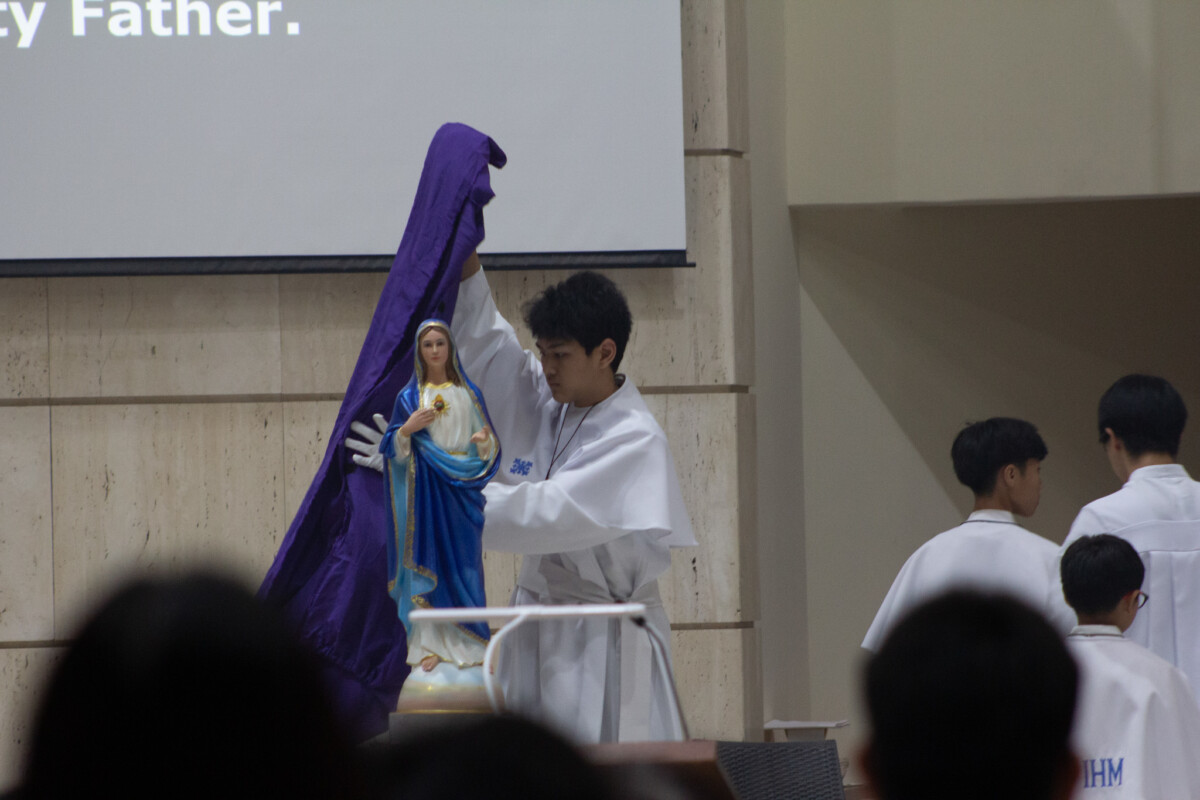
There is no Mass; the altar stands bare, and Holy Communion may only be given as Viaticum to the dying.
The Church waits by the tomb in silence and prayer, contemplating the mystery of Christ whose body rests in the grave while His Spirit works to free humanity from the bonds of death.
Holy Saturday is a day of expectant hope, between darkness and dawn, the Church keeps vigil in quiet trust, holding fast to the promise that the night will give way to the light of Easter.
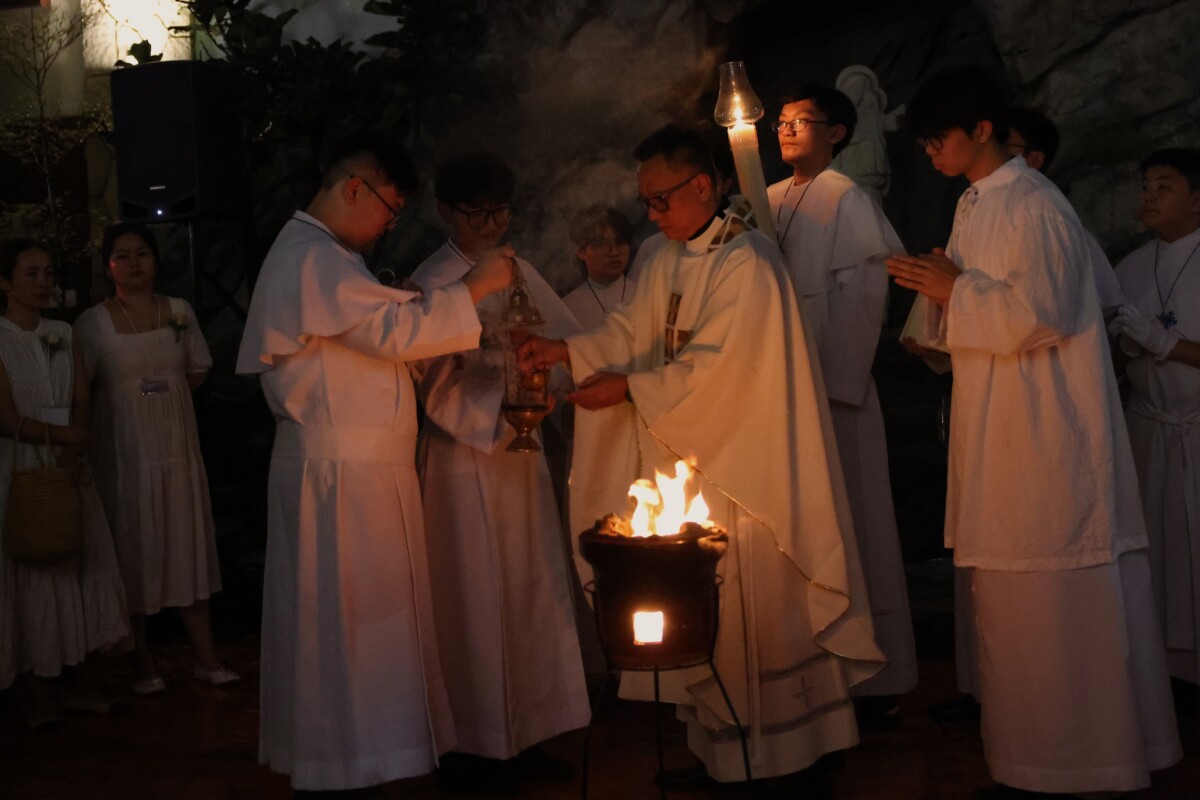
As evening falls, the Easter fire is lit and the Paschal Candle shines forth: Christ our Light, dispelling the darkness and leading His people from the shadow of death into the glory of the Resurrection.
Do I trust God even in the silence , when prayers feel unanswered?
Matthew 27:57–66, Luke 23:50–56
- Keep the day in quiet reflection, preparing for Easter. Attend or watch the Easter Vigil, celebrating the light of Resurrection breaking through the night
Pray the Rosary of Our Lady of Sorrows
Prepare your home prayer corner for Easter (light candles, display white cloth or flowers)
EASTER VIGIL
LITURGY OF BAPTISM
APRIL 4
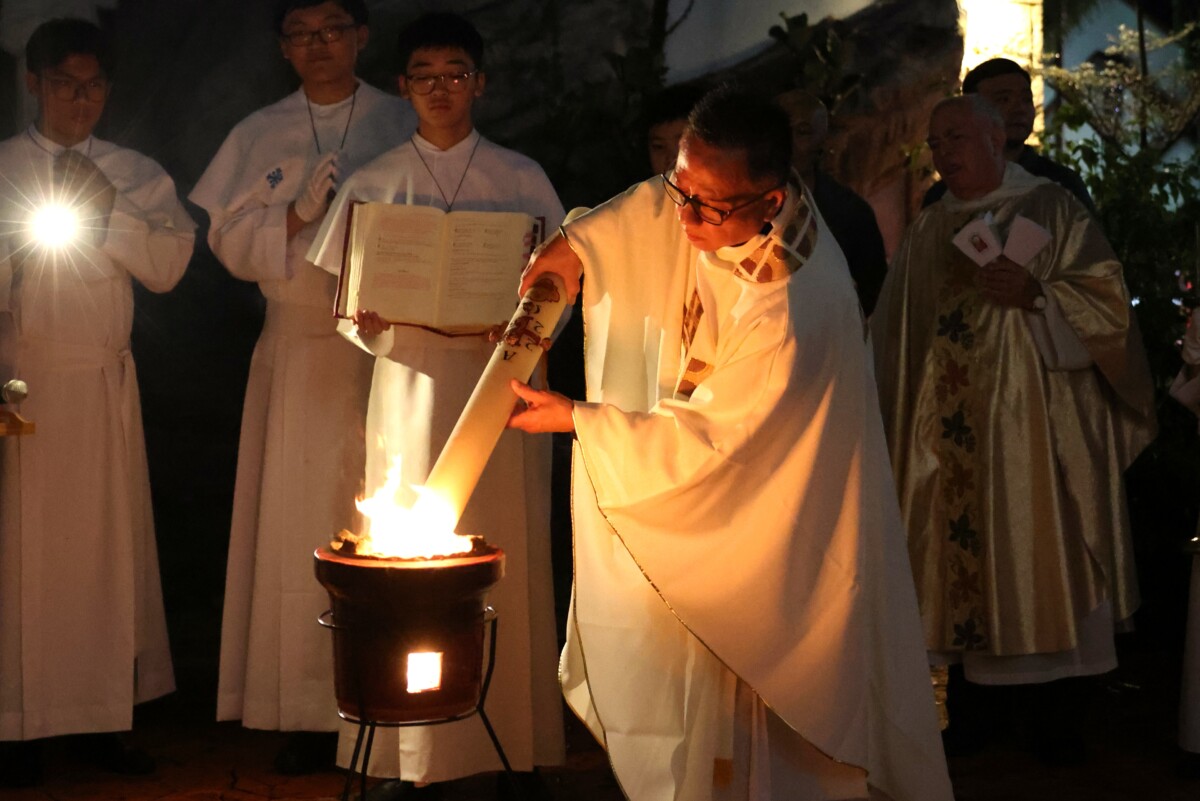
The Easter Vigil is the “mother of all vigils,” the great liturgy in which the Church keeps watch in prayer, listening to the Word of God and celebrating the passage of Christ from death to life. It begins in darkness. Outside, a new fire is blessed, and from it the Paschal Candle is lit, sign of Christ, the Light of the world.
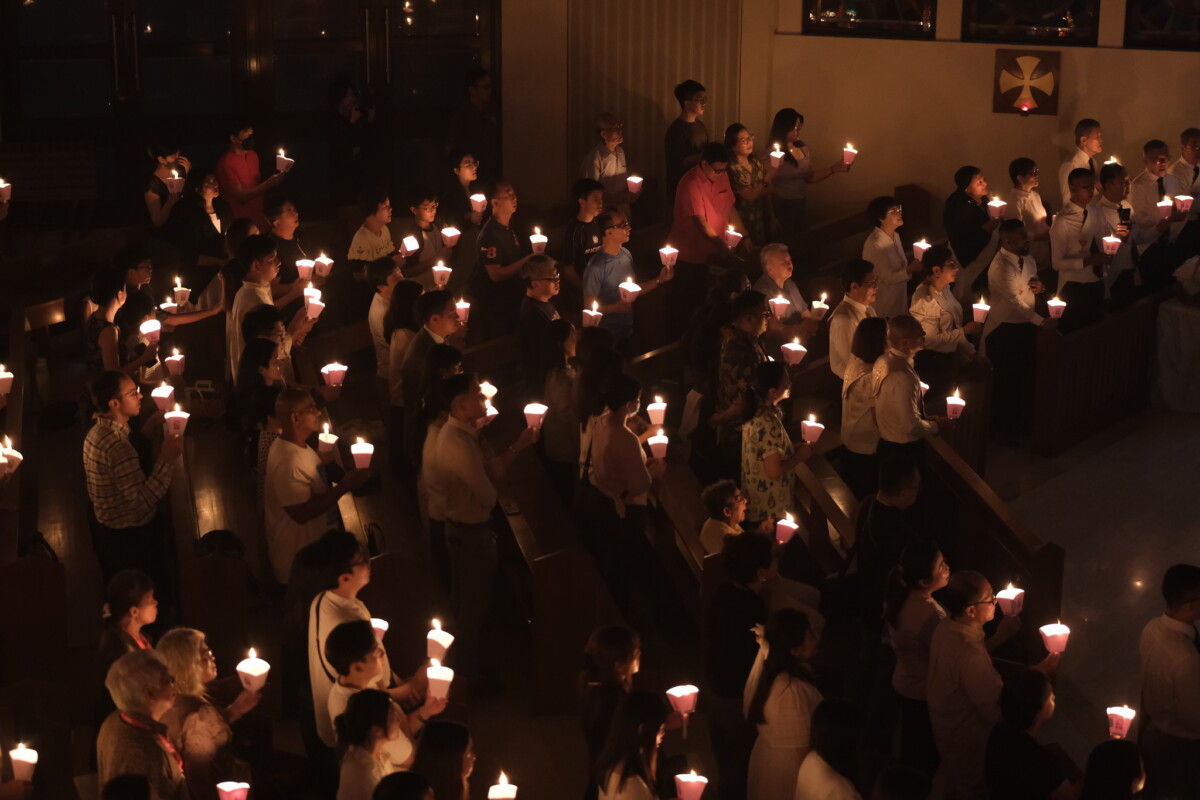
The priest carries this candle into the darkened church, proclaiming three times, “The Light of Christ,” and the light is gradually passed from candle to candle until the whole assembly glows with the gentle radiance of Easter night.
Then follows an extended Liturgy of the Word. The readings trace the great saving works of God throughout history, from creation, through the sacrifice of Abraham, to the crossing of the Red Sea, which is never omitted, showing Israel’s deliverance as a figure of our own salvation in Christ (Exodus 14). After these Old Testament readings, the Gloria is sung and the bells ring out; the Alleluia returns for the first time since Lent began, and the Gospel of the Resurrection is proclaimed.
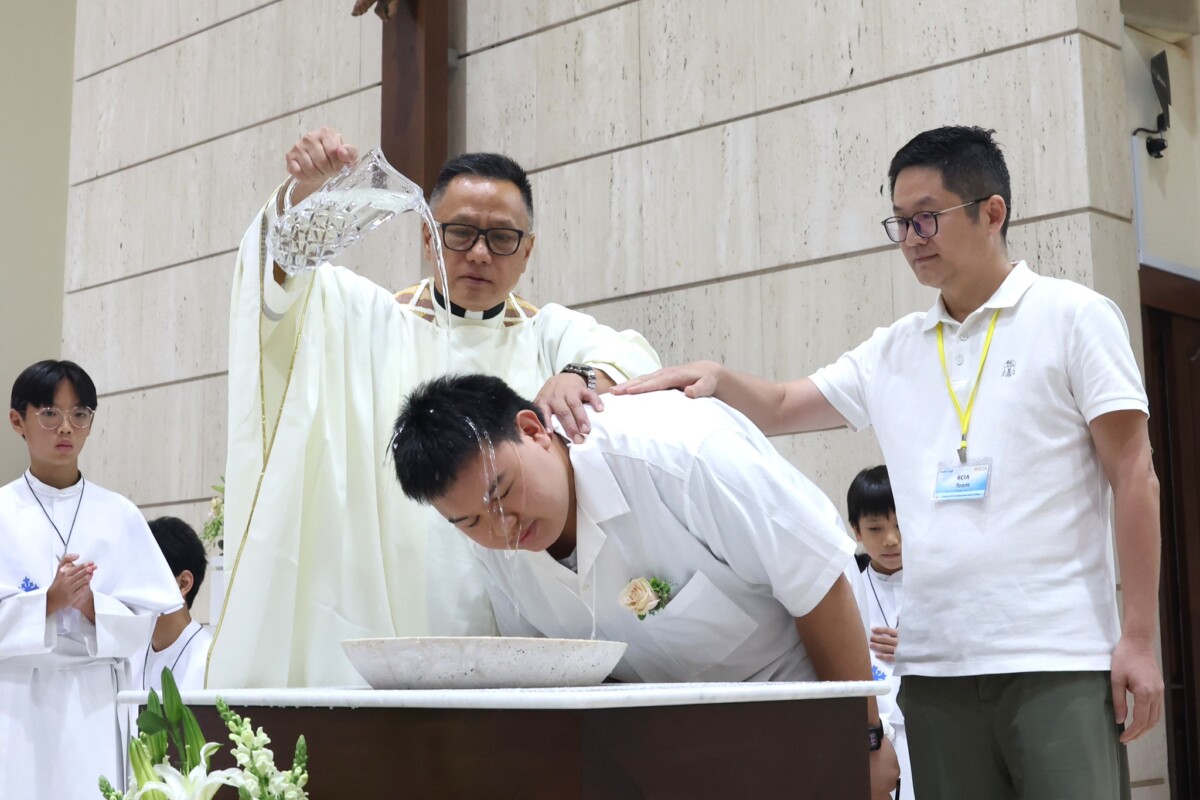
The Vigil then turns to the Baptismal Liturgy. The baptismal water is blessed, catechumens are baptized and confirmed where there are candidates, and all the faithful renew their baptismal promises and are sprinkled with the newly blessed water, making visible the new life that flows from Christ’s Resurrection.
Finally, the liturgy reaches its summit in the Eucharist, in which the Risen Lord feeds His people with His Body and Blood. The entire Vigil takes place at night, beginning after nightfall and ending before the dawn of Sunday, so that the Church may pass in vigil with her Lord from the darkness of death into the light of Easter day.
In what concrete ways is Christ inviting you to pass with Him from darkness into light, from old ways of sin into the freedom of His Resurrection?
Genesis 1:1–2:2; Genesis 22:1–18; Exodus 14:15–15:1; Isaiah 54:5–14; Isaiah 55:1–11; Baruch 3:9–15, 32–4:4 or Ezekiel 36:16–28; Romans 6:3–11; Mark 16:1–7
Attend the Easter Vigil if possible, welcoming the light from the Paschal Candle with faith. Listen attentively to the readings, renew your baptismal promises with sincerity, and ask the Lord to make this night a true new beginning in your life with Him.
EASTER SUNDAY
THE RESSURECTION OF THE LORD
He Is Risen, Our Victory and Joy
APRIL 5
The Church celebrates with great solemnity the central mystery of the faith: at daybreak, the tomb is found empty, Christ is risen, and death no longer has power (John 20:1–18).
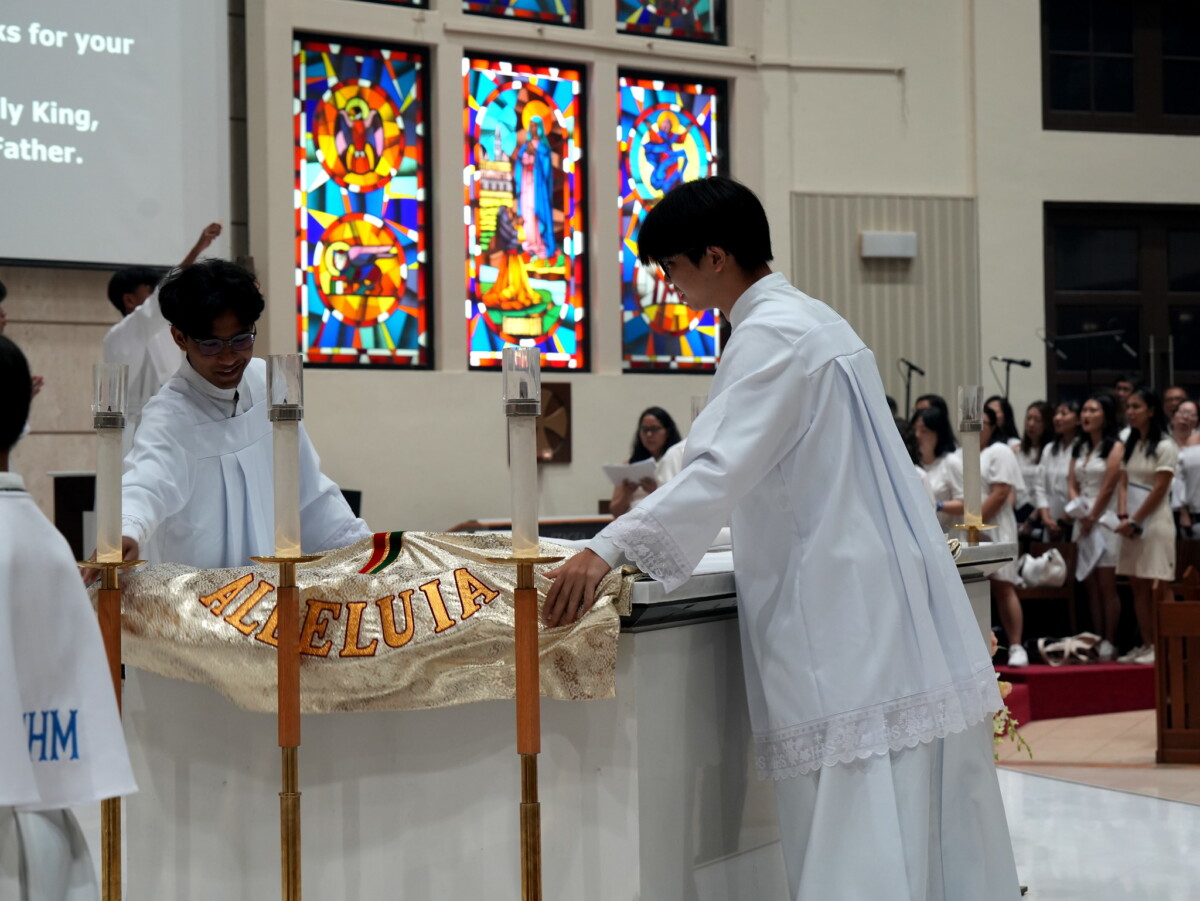
The great “Alleluia,” silenced throughout Lent, returns to the liturgy, proclaiming a joy that will never fade and announcing that the light of the Risen Christ dispels darkness, renews creation, and rekindles hope in every believing heart.
Mass is celebrated with great solemnity, and it is fitting that the penitential rite take the form of a sprinkling with the holy water blessed at the Easter Vigil, so that the baptismal character of the day is made visible and the faithful are reminded that they share in Christ’s Resurrection through their own baptism.
From this day, the fifty days from the Sunday of the Resurrection until Pentecost are kept in joy and exultation as one single feast, “one great Sunday,” the privileged season in which the Alleluia is sung again and again as the song of the redeemed.
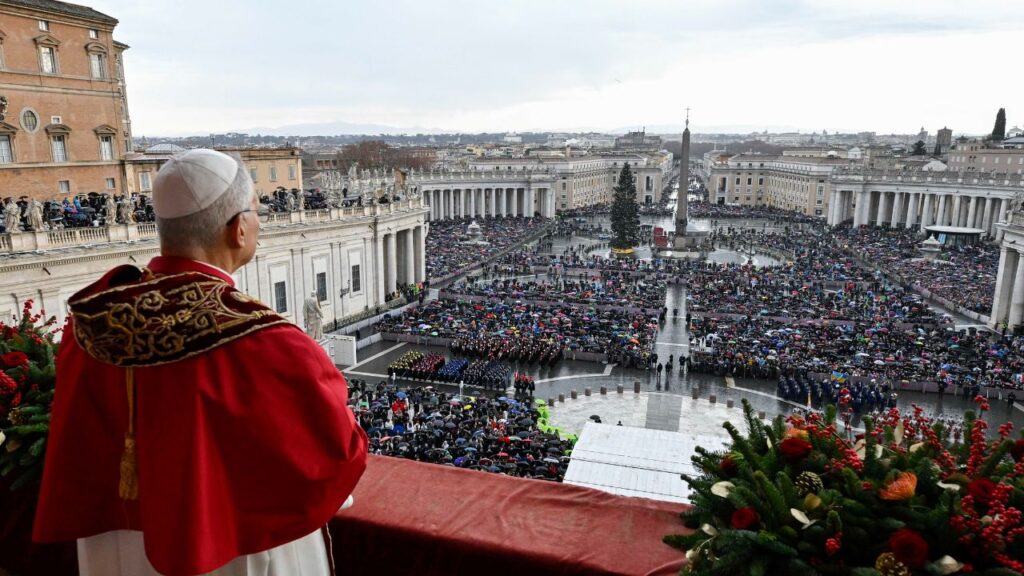
At noon on Easter Sunday, the Holy Father addresses the Church and the world from the central loggia of St Peter’s Basilica and imparts the solemn blessing Urbi et Orbi (“to the city and to the world”), to which a plenary indulgence is attached for all the faithful who devoutly receive it, including those who participate through television, radio, or other media.
In all of this, the Church proclaims the great mystery: by dying, Christ has destroyed our death; by rising, He has restored our life, and the radiant light of the Paschal Triduum shines forth as the high point and heart of the entire liturgical year.
Where do I see resurrection unfolding in my own life?
Matthew 28:1–10, Luke 24:1–12, John 20:1–18,Acts 10:34–43; Psalm 118; Colossians 3:1–4;
- Rejoice fully — attend Mass, renew your baptismal promises, and share the message: “He is truly risen, Alleluia!”
Images from IHM, Wikimedia Commons, Vatican Media and Canva AI